
Anchor for the future
Securing you today & tomorrow
Metaverse & Web 3.0
The next phase of the evolution of the Internet. These advanced technologies shift to cloud-based platforms and networks, making prevention-based solutions necessary to combat increased vulnerability.
Next Generation Security Testing
In today’s business environment, there are more devices, more users and more data in play than ever before. Next generation security testing ensures that all devices and data are secure across platforms.
myCYPR
Our proprietary platform for risk management. It’s capabilities include internal and third-party risk management, compliance management, and next generation security assessments.

Metaverse & Web 3.0
These advanced technologies will shift the physical infrastructure layers to cloud-based platforms and networks, increasing vulnerabilities. With this shfit, prevention-based response systems should be prioritized over incident response systems. Tools like myCYPR offer solutions for Managed Prevention and Planning (MPP) and next generation security testing will help organizations remain secure as Web 3.0 and other advanced technologies are adopted and deployed.
Next Generation Security Testing
Next generation security testing is designed to be intelligent and responsive in order to maximize the security of your organization as you move into the future. Next generation security testing options include:
Application API testing
Cloud application testing
IoT device testing
Auditing smart contracts
Next generation security assessments

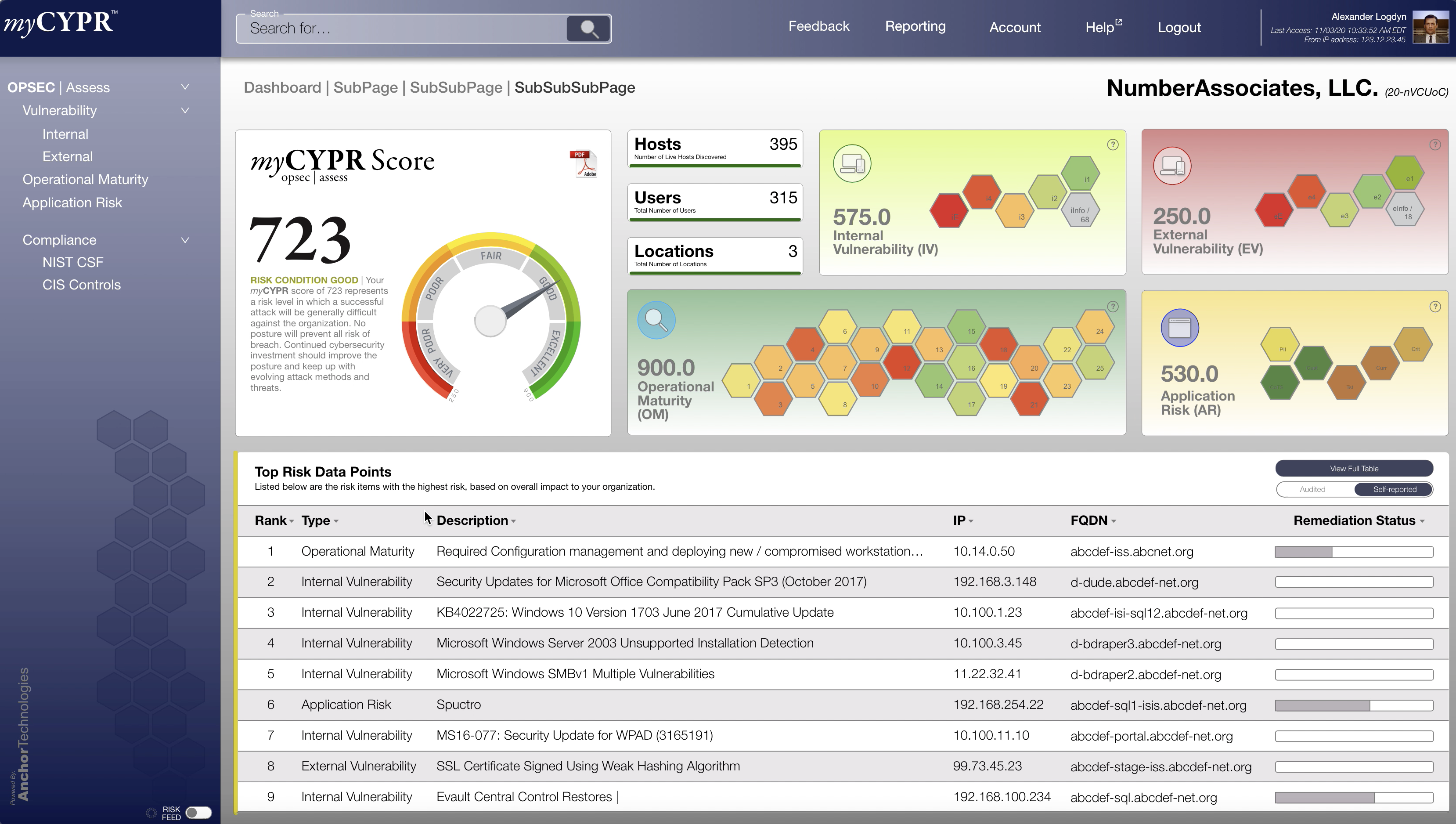
myCYPR
Managed Planning and Prevention The risk management platform is an excellent prevention-based response solution and can be used as next generation security testing. The interactive platform manages compliance, internal and third-party risk, and delivers next generation security assessments in a single tool, providing powerful insight into risk and facilitating remediation.
myCYPR also introduces next generation security assessments, presenting results in an online dashboard for easy consumption and eliminating the lenghty paper reports associated with traditional security assessments. The myCYPR score is used as a starting point to better understand current levels of risk and facilitate remediation, evolving the concept of risk scoring into a complete risk management solution.
CIS Critical Security Control #8: Malware Defenses
CIS Control 8 focuses on strengthening your organization’s ability to defend against malware—one of the most costly and persistent cyber threats. Through layered defenses, centralized protection, regular updates, and monitoring, organizations can detect, block, and respond to malware before it causes significant damage.

CIS Security Control #7: Email and Web Browser Protections
CIS Control 7 helps organizations reduce one of the most common entry points for malware—email clients and web browsers. By limiting browser plugins, securing email communication, filtering risky content, and enforcing URL restrictions, businesses can significantly lower their exposure to phishing, spoofing, and browser-based attacks.

CIS Security Control #6: Maintenance, Monitoring & Analysis of Audit Logs
CIS Control 6 emphasizes the critical role of audit log management in detecting, understanding, and responding to cyberattacks. By properly configuring, storing, and analyzing logs across systems and network boundaries, organizations gain essential visibility into suspicious activity and strengthen their ability to detect and respond to threats in real time.
CIS Control #5: Controlled Use of Administrative Privileges
CIS Control 5 emphasizes the importance of minimizing administrative privileges to reduce the risk of account compromise. By enforcing least privilege access, separating admin duties from everyday tasks, and implementing strong authentication practices, organizations can significantly limit the damage potential of compromised accounts and improve their overall security posture.

CIS Control #4: Vulnerability Assessment & Remediation
CIS Control 4 highlights the critical need for continuous vulnerability assessment and remediation. By proactively scanning for software flaws, misconfigurations, and outdated systems—and rapidly deploying patches—organizations can significantly reduce the risk of cyberattacks and maintain a strong, secure IT environment.